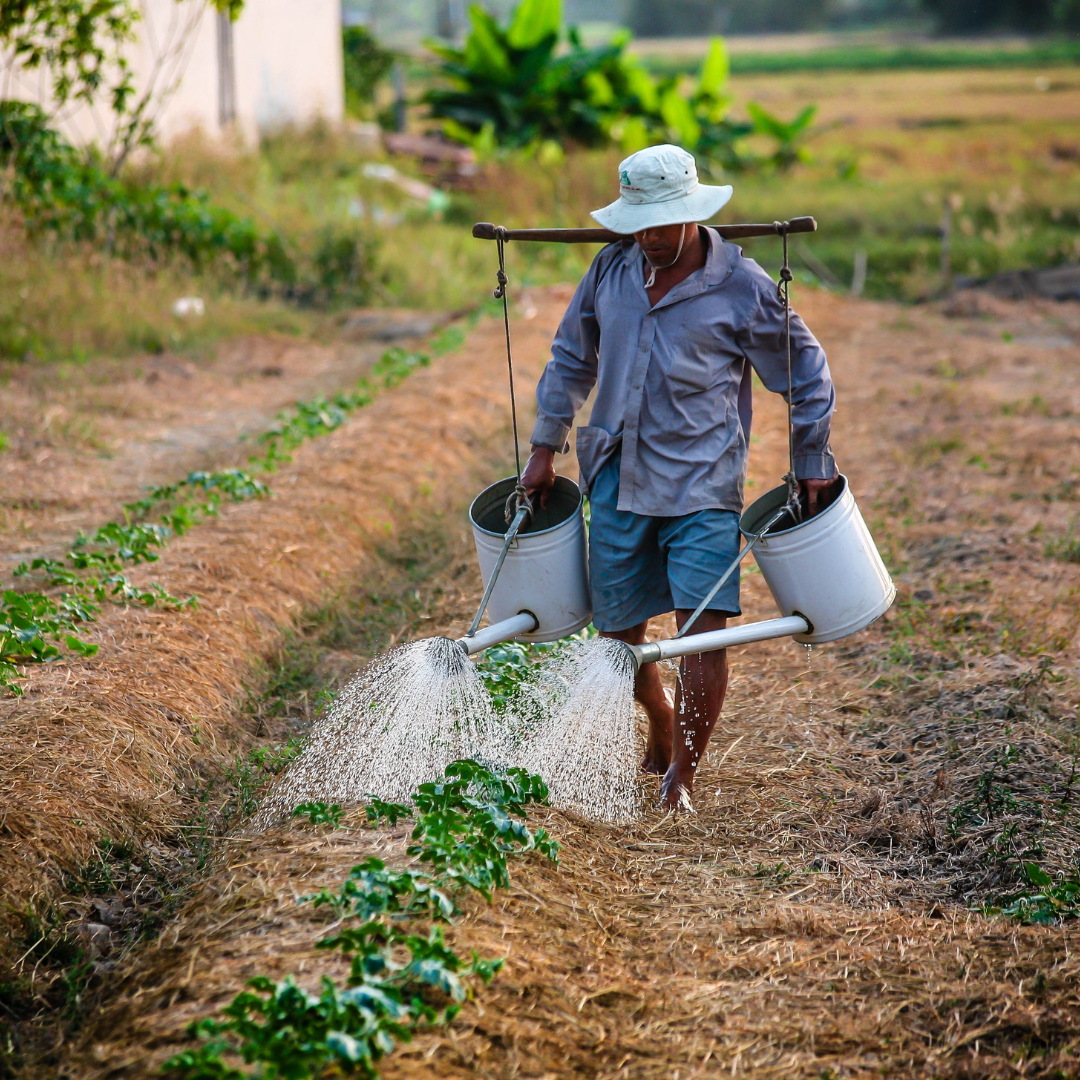
The agricultural industry is a cornerstone of the U.S. economy, contributing to food security, rural development, and global trade. As the sector continues to evolve with technological advancements and sustainability initiatives, the role of agricultural managers has become increasingly vital.
In 2026, agricultural managers will oversee farming operations, implement innovative techniques, and ensure compliance with environmental regulations. This comprehensive guide explores the opportunities, salaries, and skills required for agricultural managers in the U.S.
Why Agricultural Management is a High-Demand Career
Agricultural management combines traditional farming knowledge with modern business and technological skills. Key factors driving demand for agricultural managers in 2026 include:
- Technological Integration:
- Precision agriculture, automation, and AI are transforming farming practices, requiring skilled managers to implement and oversee these technologies.
- Sustainability Goals:
- With growing emphasis on eco-friendly practices, agricultural managers are essential for adopting sustainable farming techniques.
- Labor Shortages:
- The agricultural sector faces a labor gap, increasing the demand for professionals who can manage operations effectively.
- Global Food Demand:
- Rising global populations necessitate efficient and innovative agricultural management to meet food production needs.
Responsibilities of an Agricultural Manager
Agricultural managers play a critical role in the success of farming operations. Key responsibilities include:
- Operational Oversight:
- Managing day-to-day farming activities, including planting, harvesting, and equipment maintenance.
- Financial Management:
- Budgeting, cost analysis, and optimizing resources to maximize profitability.
- Technology Implementation:
- Integrating advanced tools like GPS-guided machinery, drones, and farm management software.
- Staff Supervision:
- Recruiting, training, and managing farm workers.
- Compliance and Reporting:
- Ensuring adherence to agricultural regulations, safety standards, and environmental guidelines.
- Market Analysis:
- Monitoring market trends to determine crop selection and pricing strategies.
Read: High-Paying Walmart Jobs in the U.S. and Canada
High-Paying Agricultural Manager Jobs in the U.S. (2026)
Agricultural manager salaries vary based on factors like location, experience, and the size of the operation. Below are some high-paying roles and their average annual salaries:
- Farm Manager
- Average Salary: $75,000 – $120,000
- Role: Oversee crop production, livestock management, and farm profitability.
- Agribusiness Manager
- Average Salary: $80,000 – $130,000
- Role: Manage the business aspects of farming operations, including supply chain and marketing.
- Sustainability Manager
- Average Salary: $90,000 – $140,000
- Role: Implement sustainable farming practices to reduce environmental impact.
- Agricultural Operations Director
- Average Salary: $100,000 – $150,000
- Role: Oversee multiple farming sites and coordinate large-scale agricultural operations.
- Precision Agriculture Specialist
- Average Salary: $85,000 – $125,000
- Role: Utilize data-driven tools and technologies to optimize farming efficiency.
- Livestock Production Manager
- Average Salary: $70,000 – $110,000
- Role: Manage livestock health, breeding programs, and feed schedules.
Top Employers for Agricultural Managers in 2026
- Large Agribusiness Corporations:
- Companies like Cargill, Archer Daniels Midland, and John Deere offer lucrative roles in agricultural management.
- Government Agencies:
- Federal and state agencies, such as the U.S. Department of Agriculture (USDA), hire managers to oversee agricultural programs and policies.
- Private Farms:
- High-net-worth individuals and corporations investing in large-scale farming operations need skilled managers.
- Research Institutions:
- Universities and agricultural research centers hire managers for experimental farms and sustainability projects.
- Nonprofits and NGOs:
- Organizations focused on sustainable agriculture and food security provide opportunities for impactful work.
Skills and Qualifications Needed for Agricultural Managers
To excel as an agricultural manager in 2026, you’ll need a blend of technical knowledge, managerial expertise, and hands-on experience. Key qualifications include:
- Educational Background:
- Bachelor’s degree in agriculture, agribusiness, or related fields. Advanced degrees (e.g., MBA in Agribusiness) are a plus.
- Technical Skills:
- Proficiency in precision agriculture tools, farm management software, and data analysis.
- Leadership Abilities:
- Strong interpersonal skills to manage teams and collaborate with stakeholders.
- Financial Acumen:
- Experience in budgeting, cost control, and profitability analysis.
- Problem-Solving Skills:
- Ability to address challenges like pest outbreaks, climate variability, and labor shortages.
- Regulatory Knowledge:
- Familiarity with agricultural laws, safety standards, and environmental policies.
Also Read: High-Paying Jobs in the USA for Foreigners
How to Enter the Field of Agricultural Management
- Pursue Relevant Education:
- Enroll in agriculture or agribusiness programs at accredited universities. Internships and hands-on training are invaluable.
- Gain Experience:
- Start with entry-level roles such as farm supervisor or assistant manager to build practical knowledge.
- Network:
- Attend industry events, join agricultural organizations, and connect with professionals in the field.
- Stay Updated:
- Keep up with the latest industry trends, technologies, and regulatory changes.
- Earn Certifications:
- Certifications like Certified Crop Adviser (CCA) or Certified Livestock Manager can enhance your credentials.
Trends Shaping Agricultural Management in 2026
- Digital Transformation:
- IoT devices, blockchain, and AI are revolutionizing farm management practices.
- Climate-Resilient Farming:
- Adaptive strategies to mitigate the impact of climate change are becoming a priority.
- Vertical Farming:
- Urban agriculture and vertical farming are creating new opportunities for managers in non-traditional farming setups.
- Sustainable Practices:
- Organic farming, regenerative agriculture, and carbon sequestration are gaining traction.
- Global Collaboration:
- Cross-border initiatives in agricultural technology and food security are expanding.
Challenges Facing Agricultural Managers
- Climate Change:
- Unpredictable weather patterns and natural disasters can disrupt farming operations.
- Labor Shortages:
- Difficulty in recruiting skilled workers remains a significant issue.
- Market Volatility:
- Fluctuating prices for crops and livestock impact profitability.
- Regulatory Compliance:
- Navigating complex agricultural laws and environmental regulations requires expertise.
Conclusion
Agricultural management is a dynamic and rewarding career that plays a critical role in shaping the future of food production. With competitive salaries, diverse opportunities, and the chance to make a meaningful impact, agricultural managers are at the forefront of innovation in the industry.
By acquiring the right skills, staying informed about industry trends, and leveraging opportunities in 2026, you can build a successful career in agricultural management in the U.S.