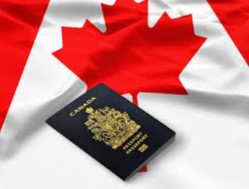
When applying for jobs in Canada, it’s important to approach the process with preparation and awareness of both the job market and cultural expectations. Here are some key tips to help you successfully apply for jobs in Canada:
1. Tailor Your Resume and Cover Letter
Resume: Canadian employers typically prefer resumes in a clear, concise format. A resume should be 1-2 pages long, highlighting your most recent experience and relevant skills. Focus on results and quantifiable achievements (e.g., “Increased sales by 20%”).
Cover Letter: Tailor your cover letter for each position. Address the hiring manager by name if possible, and explain why you’re a great fit for the job and the company. Focus on the skills and experience most relevant to the position.
2. Research the Job Market
Industry Insights: Familiarize yourself with the industries that are growing in Canada. Technology, healthcare, finance, and trade-related sectors are often in demand.
Location: Canada is a large country, and job opportunities may vary by region. Major cities like Toronto, Vancouver, Montreal, Calgary, and Ottawa have more opportunities, but other regions may offer specific sector jobs (e.g., mining in Alberta, tech in Waterloo).
3. Understand the Work Culture
Networking: Networking is a big part of the Canadian job search process. Attend industry conferences, career fairs, and use LinkedIn to connect with people in your field.
Professionalism: Canadian employers value professionalism and a respectful attitude. Be polite, punctual, and show your interest in contributing to the organization.
4. Use Canadian Job Boards
Job Bank: The Canadian government’s official job search platform (Job Bank) is a great place to start.
Private Job Boards: Websites like LinkedIn, Indeed, Glassdoor, Monster, and Workopolis are frequently used by Canadian employers to post job openings.
Company Websites: Many employers post job openings directly on their websites, so it’s worth regularly checking the career sections of companies you’re interested in.
5. Ensure Your Qualifications Are Recognized
If you are moving from outside Canada, check whether your foreign qualifications need to be assessed or accredited in Canada. Organizations like WES (World Education Services) provide credential evaluation services to ensure your education is recognized.
6. Understand the Work Permit and Visa Requirements
If you’re not already in Canada, you will need to ensure you have the right work permit or visa to work in the country. Express Entry or PNP (Provincial Nominee Program) may be good options if you’re planning to immigrate through work.
7. Prepare for Interviews
Expect Behavioral Questions: In interviews, expect situational and behavioral questions (e.g., “Tell me about a time when you faced a challenge at work”). Use the STAR method (Situation, Task, Action, Result) to structure your answers.
Research the Company: Show that you’ve researched the company, its culture, and the position. Be ready to explain why you want to work there and how you can contribute.
Dress Appropriately: While Canada has a generally business-casual dress code, it can vary depending on the company and industry. Research the company’s dress code and plan accordingly.
8. Know Your Rights and Labor Laws
Labor Standards: Canada has strong labor laws that protect employees. Familiarize yourself with basic rights, such as minimum wage, working hours, overtime, and vacation days.
Equal Opportunity: Canada is committed to diversity and inclusion in the workplace, so don’t be afraid to apply regardless of your background. Employers can’t discriminate based on age, race, gender, religion, or disability.
9. Highlight Soft Skills
Canadian employers highly value soft skills, such as communication, teamwork, adaptability, and problem-solving. Be sure to demonstrate these skills in your resume, cover letter, and during interviews.
10. Follow Up
After an interview, it’s common to send a thank-you email. Thank the interviewers for their time and reiterate your enthusiasm for the position.
If you haven’t heard back after a week or two, it’s okay to follow up with a polite inquiry about the status of your application.
11. Consider Temporary or Part-Time Work
If you’re new to Canada or just starting your job search, consider applying for part-time or temporary work. These roles can help you gain Canadian work experience and build your network.
12. Use a Professional Email Address
Ensure your email address looks professional. Avoid using nicknames or informal addresses in your job applications. By following these steps, you’ll be well-positioned to succeed in the Canadian job market. Good luck!